KOSPI Plunges Over 5% Triggering Sidecar as KRW Hits Post-Financial Crisis High
KOSPI plummeted over 5% triggering a trading sidecar as the KRW exchange rate hit a post-financial crisis high.
What to know
- KOSPI plummeted over 5% triggering a trading sidecar as the KRW exchange rate hit a post-financial crisis high.
- Related entities: 아리랑뉴스, 영문뉴스, 국제뉴스, 공공데이터, 아리랑국제방송
- Source record: 4 citations
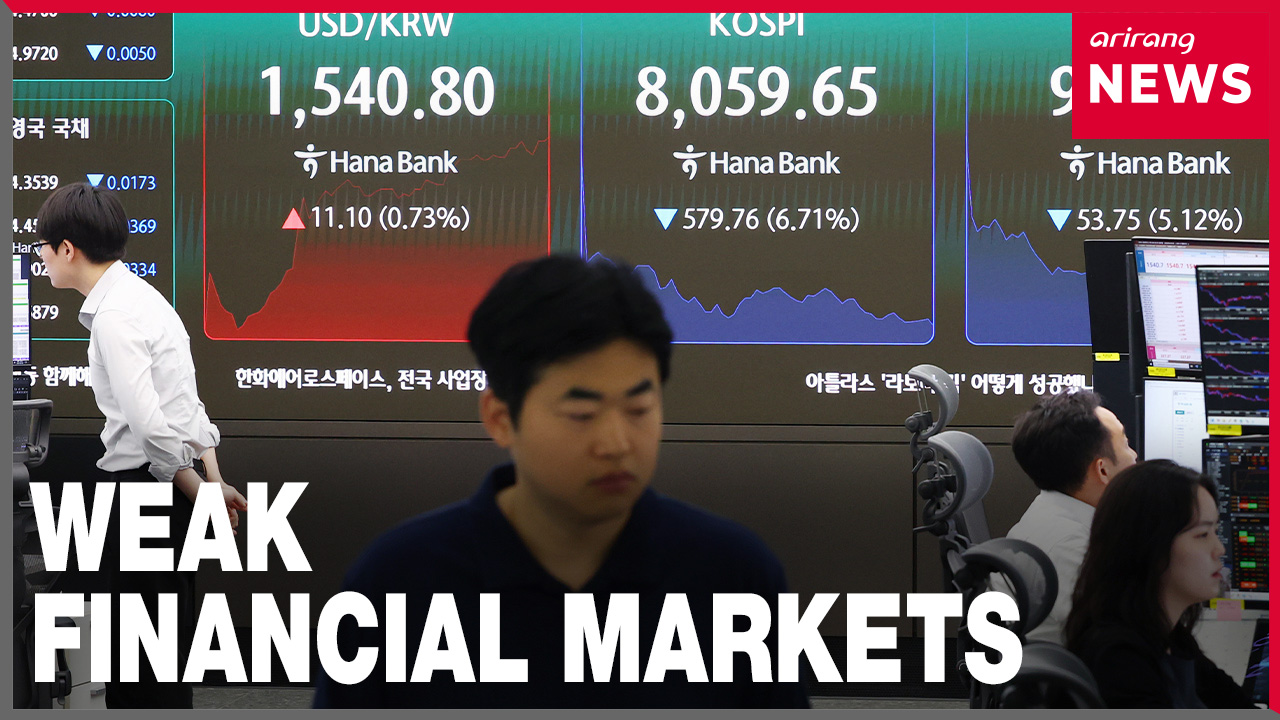
Financial markets experienced severe volatility during the latest trading session as the Korea Composite Stock Price Index (KOSPI) plummeted over 5%, triggering the exchange's sidecar mechanism. Concurrently, the South Korean won (KRW) hit a post-financial crisis high.
The significant dual movements in both equities and foreign exchange highlight intense pressure on domestic financial assets.
Key Market Developments:
- Stock Market Plunge: The benchmark KOSPI fell by over 5%, a decline severe enough to activate the sidecar protocol. This automated mechanism temporarily halts program selling orders to restore market stability and prevent panic-driven crashes.
- Currency Market Impact: In the foreign exchange sector, the KRW reached a post-financial crisis high, indicating severe fluctuations in the currency's valuation compared to recent historical benchmarks.
The triggering of the sidecar indicates a rapid intraday acceleration of downward momentum. Such coordinated movements across asset classes typically signal broader macroeconomic stresses or intense global market reactions.
Market participants are closely watching the situation to see if the temporary sidecar halt will stabilize the KOSPI. Meanwhile, the KRW's post-financial crisis high continues to be a focal point for currency traders and institutional investors assessing foreign exchange risks.