Korea Stocks and Currency Take Hit as Foreigners Sell for 20 Days Straight
South Korean stocks and the national currency face downward pressure as foreign investors engage in a prolonged 20-day sell-off of domestic assets.
What to know
- South Korean stocks and the national currency face downward pressure as foreign investors engage in a prolonged 20-day sell-off of domestic assets.
- Related entities: 아리랑뉴스, 영문뉴스, 국제뉴스, 공공데이터, 아리랑국제방송
- Source record: 4 citations
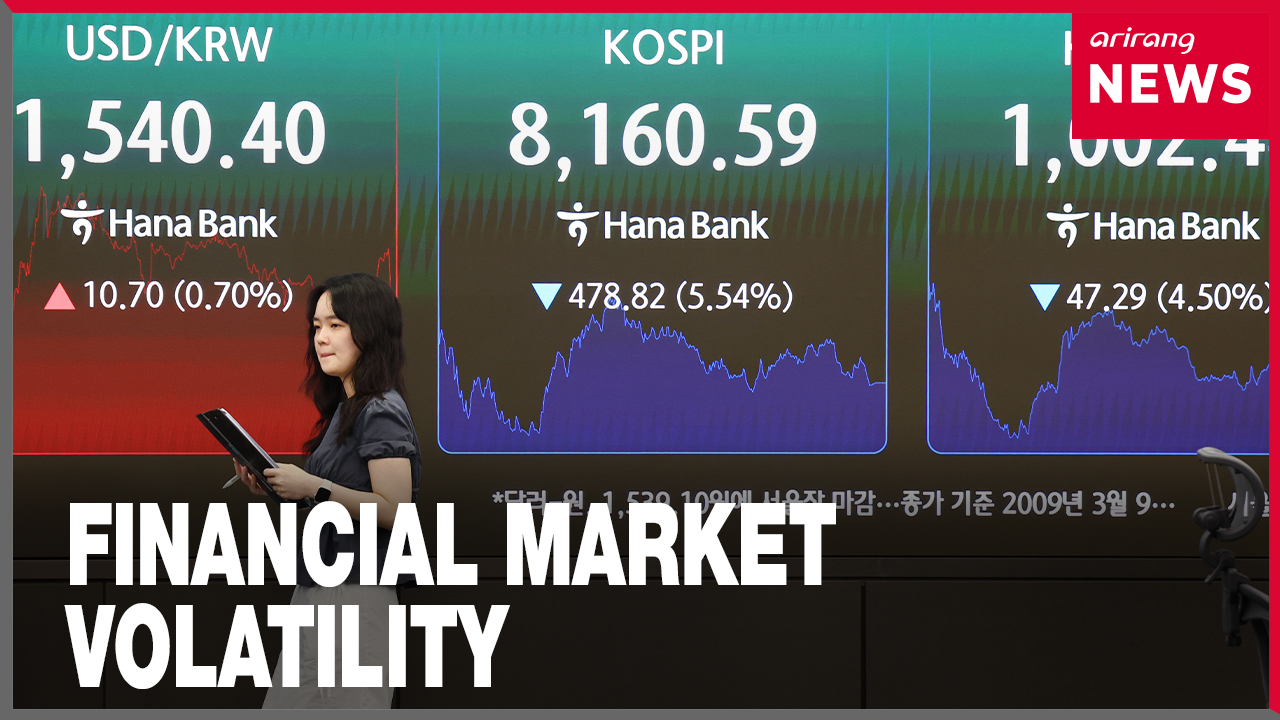
Foreign investors have systematically sold off South Korean financial assets for 20 consecutive days, resulting in a significant downturn for both domestic equities and the local currency.
The continuous withdrawal of international capital has placed considerable downward pressure on the nation's financial markets:
- Equity Market Impact: South Korean stocks have taken a pronounced hit, reflecting the sustained absence of foreign buying interest.
- Currency Depreciation: Parallel to the stock market's decline, the Korean currency has weakened, directly correlating with the 20-day foreign capital outflow.
- Market Sentiment: The 20-day streak of continuous selling underscores a prevailing bearish sentiment among overseas investors regarding Korean assets.
This 20-day consecutive sell-off highlights a critical period for the nation's financial stability. As foreign investors continue to liquidate their holdings, the synchronized drop in both stocks and the currency emphasizes the broader vulnerabilities within the market. Financial authorities and domestic investors are actively monitoring the situation to assess the ongoing implications of this prolonged foreign divestment on the national economy. The ongoing trend remains a focal point for regional economic analysis as the 20-day timeframe represents a substantial commitment to divestment. Both domestic and international market observers will continue to track the outflow to determine if the downward pressure on equities and the currency will persist.