Conflicts in Middle East Weigh Heavily on Korea's Real Economy in April
Escalating conflicts in the Middle East weighed heavily on South Korea's real economy in April, causing significant strain on overall economic activities.
What to know
- Escalating conflicts in the Middle East weighed heavily on South Korea's real economy in April, causing significant strain on overall economic activities.
- Related entities: 아리랑뉴스, 영문뉴스, 국제뉴스, 공공데이터, 아리랑국제방송
- Source record: 4 citations
Advertisement reserved · article_top_billboard
728x90 · CLS RESERVED
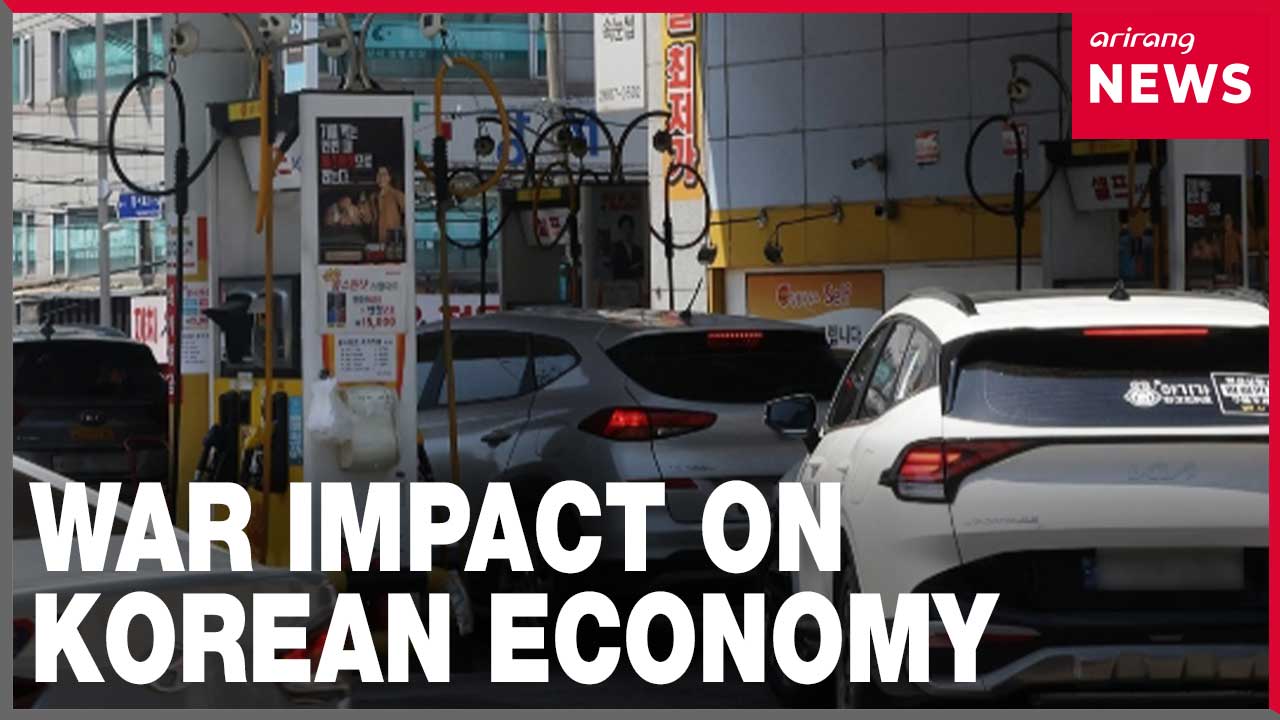
In April, escalating conflicts in the Middle East weighed heavily on South Korea's real economy, introducing new challenges for the nation's economic stability and growth.
- *Key Developments:**
- Real Economy Strain: The direct effects of prolonged Middle East conflicts have placed a distinct burden on the foundational sectors of South Korea's real economy.
- April's Economic Climate: The economic conditions observed in April specifically highlight the timeframe where these international geopolitical tensions effectively dragged down domestic economic performance.
- External Pressures: The ongoing instability in the Middle East continues to act as a primary external factor, hindering the baseline momentum of Korea's economic output.
As global geopolitical uncertainties persist, the economic climate throughout April clearly demonstrated that South Korea's real economy remains highly susceptible to international disputes. Market observers continue to monitor how these external shocks will further influence the nation's economic trajectory moving forward.